

Permanent carbon removal

What Reposit Carbon Does
Reposit Carbon is developing enhanced rock weathering (ERW) and ocean alkalinity enhancement (OAE) applications for its wholly-owned, potentially large, Cogburn mineral deposit.
Reposit’s ERW and OAE applications are expected to use the Cogburn deposit’s magnesium-rich, ultramafic rocks as source material for permanent carbon removal based on natural geochemical processes.
ERW accelerates the reaction between CO₂ in the atmosphere and certain magnesium-rich silicate rocks, converting CO₂ into stable carbonate minerals. Once stored in this solid form, carbon is effectively locked away on geological timescales.
Ocean Alkalinity Enhancement (OAE) applies similar geochemical processes in marine environments. As magnesium-rich minerals dissolve in seawater, they increase alkalinity and the ocean’s capacity to absorb and store atmospheric CO₂ as dissolved bicarbonate.
Who Reposit Carbon Is
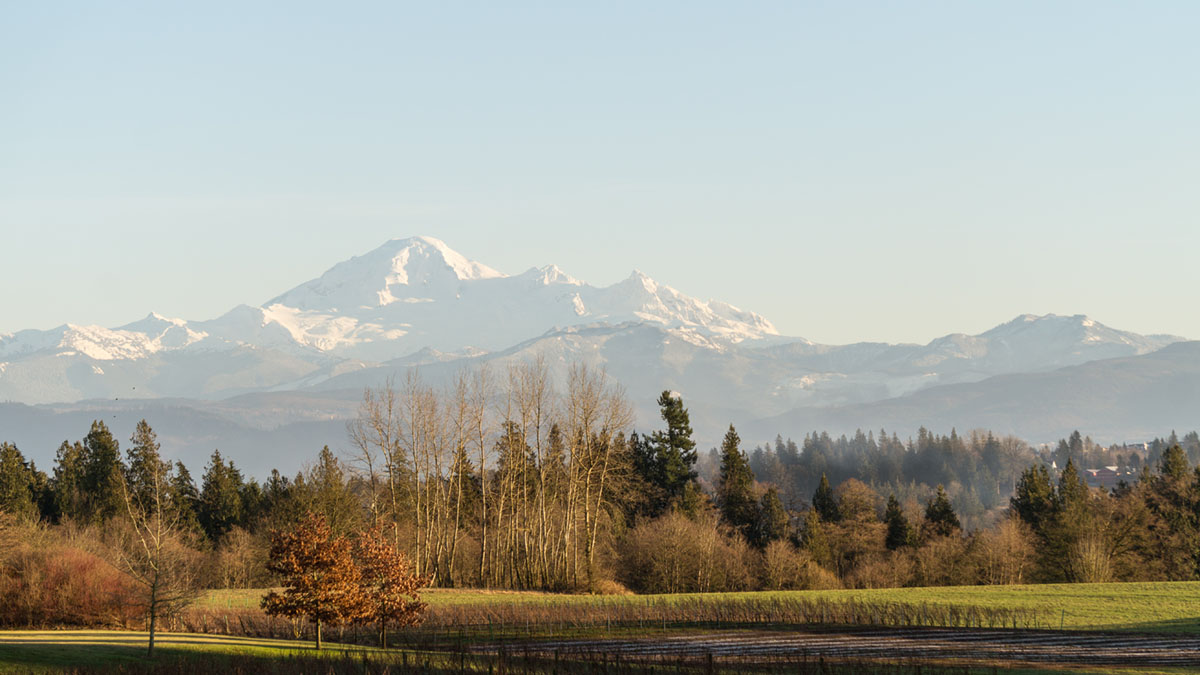
Reposit is a Canadian company founded by a team of experienced mineral exploration and development, carbon sequestration and investment professionals. Reposit owns the mineral rights to a large, magnesium-rich ultramafic mineral deposit just east of Harrison Lake in British Columbia’s Fraser Valley, near Vancouver.
Our Mineral Resource
The site’s ultramafic igneous and metamorphic rock is composed almost entirely of the mineral olivine, a magnesium-iron silicate that can be crushed and spread to:
- react with CO2 and remove it from the atmosphere by sequestering it as bicarbonate, and
- increase soil pH and provide essential nutrients as an excellent, natural slow-release soil amendment.
Site Location and Infrastructure
The Reposit mineral deposit is located near major transportation infrastructure including the TransCanada Highway and shipping routes along the Fraser River. It provides a controlled setting for testing, measurement, and early development.
Our Mineral Resource
The site’s ultramafic igneous and metamorphic rock is composed almost entirely of the mineral olivine, a magnesium-iron silicate that can be crushed and spread to:
- react with CO2 and remove it from the atmosphere by sequestering it as bicarbonate, and
- increase soil pH and provide essential nutrients as an excellent, natural slow-release soil amendment.

Site Location and Infrastructure
The Reposit mineral deposit is located near major transportation infrastructure including the TransCanada Highway and shipping routes along the Fraser River. It provides a controlled setting for testing, measurement, and early development.
How It Works
Reposit’s current work is focused on land-based enhanced rock weathering, with ocean alkalinity enhancement explored as a related research area.
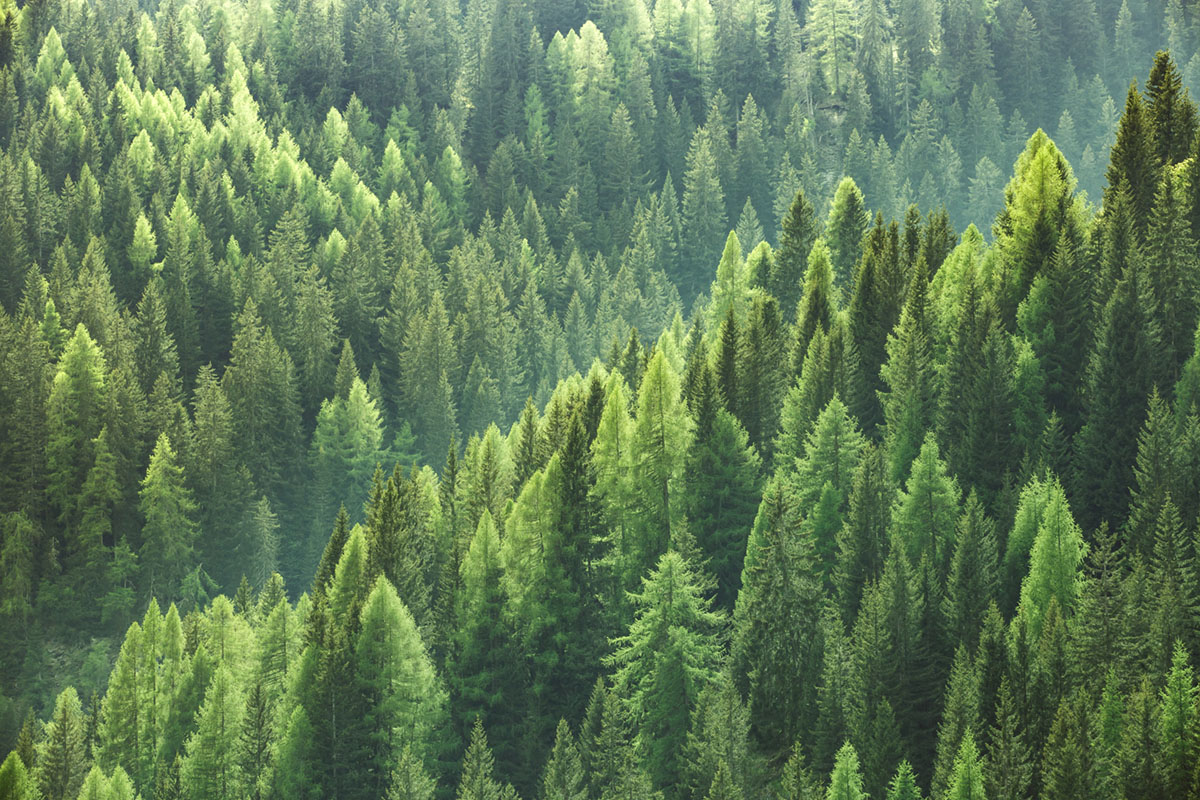
Enhanced Rock Weathering (ERW)
Enhanced rock weathering builds on a natural process that has helped regulate Earth’s climate over long periods of time. Silicate rock weathering is one of the Earth’s primary slow carbon cycle drivers.
When magnesium-rich silicate rocks are exposed to air and rain, they slowly react with CO₂ and form stable carbonate minerals. This reaction removes CO₂ from the atmosphere and stores it in solid, stable, mineral form.
Enhanced rock weathering accelerates this process by crushing silicate rocks to increase their surface area and placing them in suitable environments, allowing the reaction to occur more efficiently while remaining grounded in well-understood chemistry and careful measurement.

Ocean Alkalinity Enhancement (OAE)
Ocean alkalinity enhancement (OAE) builds on similar chemistry, but in marine environments.
When alkaline minerals dissolve in seawater, they increase the ocean’s ability to absorb CO₂ from the atmosphere. OAE can help counter ocean acidification associated with rising CO₂ levels in the atmosphere, while supporting long-term carbon storage. OAE remains an active area of scientific research.
Enhanced Rock Weathering (ERW)
Enhanced rock weathering builds on a natural process that has helped regulate Earth’s climate over long periods of time. Silicate rock weathering is one of the Earth’s primary slow carbon cycle drivers.
When magnesium-rich silicate rocks are exposed to air and rain, they slowly react with CO₂ and form stable carbonate minerals. This reaction removes CO₂ from the atmosphere and stores it in solid, stable, mineral form.
Enhanced rock weathering accelerates this process by crushing silicate rocks to increase their surface area and placing them in suitable environments, allowing the reaction to occur more efficiently while remaining grounded in well-understood chemistry and careful measurement.
Ocean Alkalinity Enhancement (OAE)
Ocean alkalinity enhancement (OAE) builds on similar chemistry, but in marine environments.
When alkaline minerals dissolve in seawater, they increase the ocean’s ability to absorb CO₂ from the atmosphere. OAE can help counter ocean acidification associated with rising CO₂ levels in the atmosphere, while supporting long-term carbon storage. OAE remains an active area of scientific research.
Why Permanent Carbon Storage Matters
Most climate action today focuses on reducing emissions, using less fossil fuel, improving efficiency, and switching to cleaner energy. These efforts are essential, but they address only future emissions, not the large and growing stock of CO₂ already in the atmosphere.
To stabilize our climate for generations to come, carbon removal is increasingly understood as a necessary complement, particularly for legacy emissions and hard-to-abate sectors.
Mineral-based approaches are distinctive because they store carbon in solid, stable form for geological timescales, without relying on continuous management or future intervention.
Benefits of Mineral-Based Carbon Removal
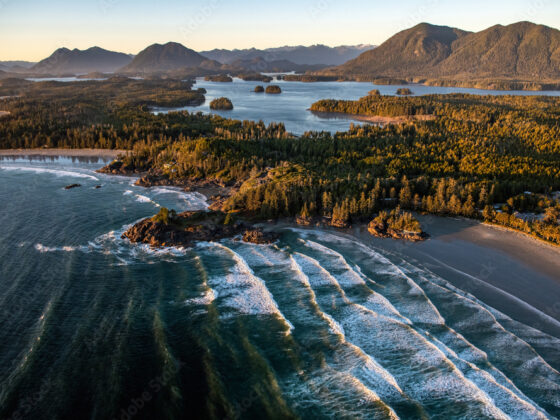
Permanent Carbon Storage
CO₂ is converted into solid minerals and stored for the long term.
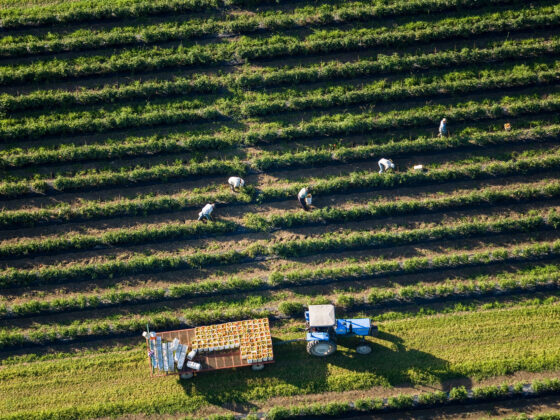
Improved Soil Health
When enhanced rock weathering is applied on agricultural land, it can help reduce soil acidity and support healthier, more productive soils.

Ocean Health Benefits
As water interacts with weathered rock on land and flows to the ocean, it can help reduce ocean acidity over time.